View product
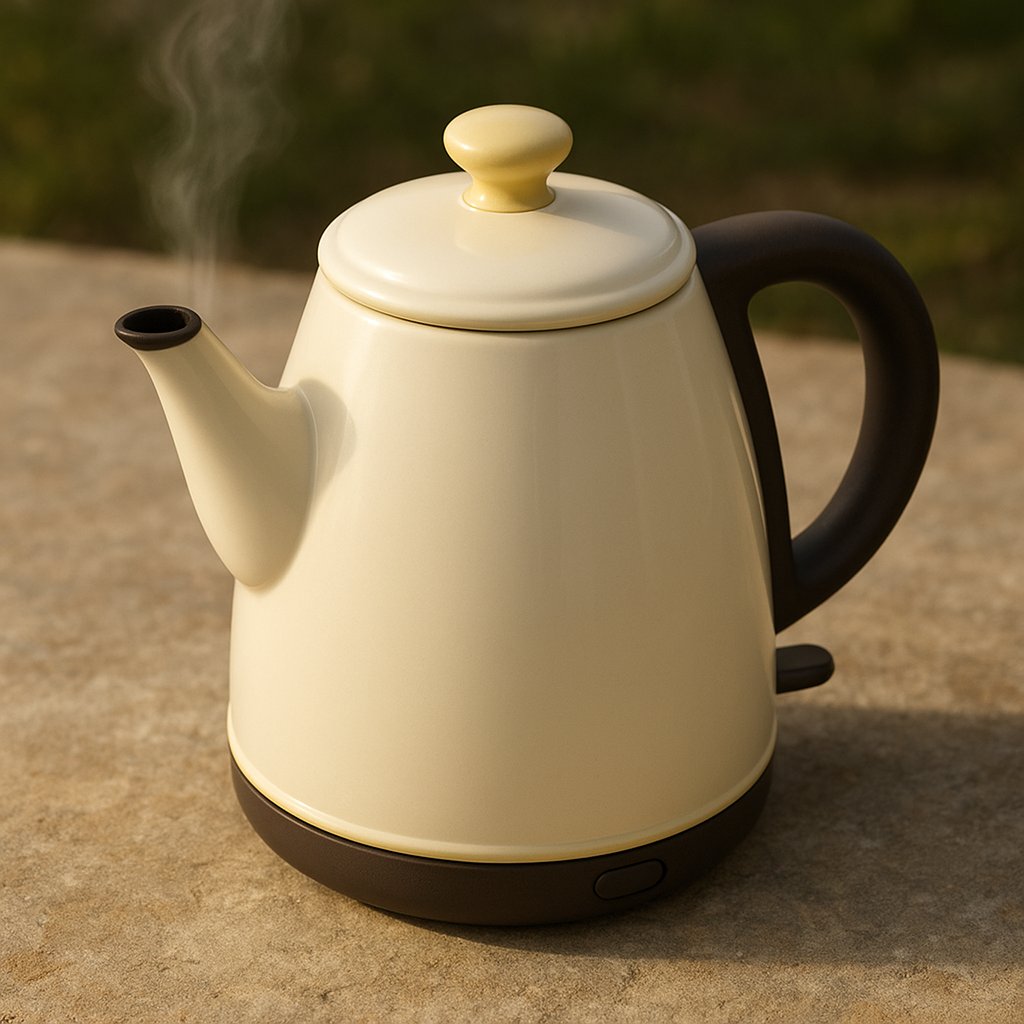
Breakfast Bell Kettle
A 1.5 litre cream-finish kettle for regular household tea rounds and shared morning use.
View productMeasure, compare, pour
A useful countertop appliance should match the number of drinks you make, the space you can give it and the cleaning you are willing to do. This guide turns those everyday constraints into a clear shortlist.
View product
A 1.5 litre cream-finish kettle for regular household tea rounds and shared morning use.
View product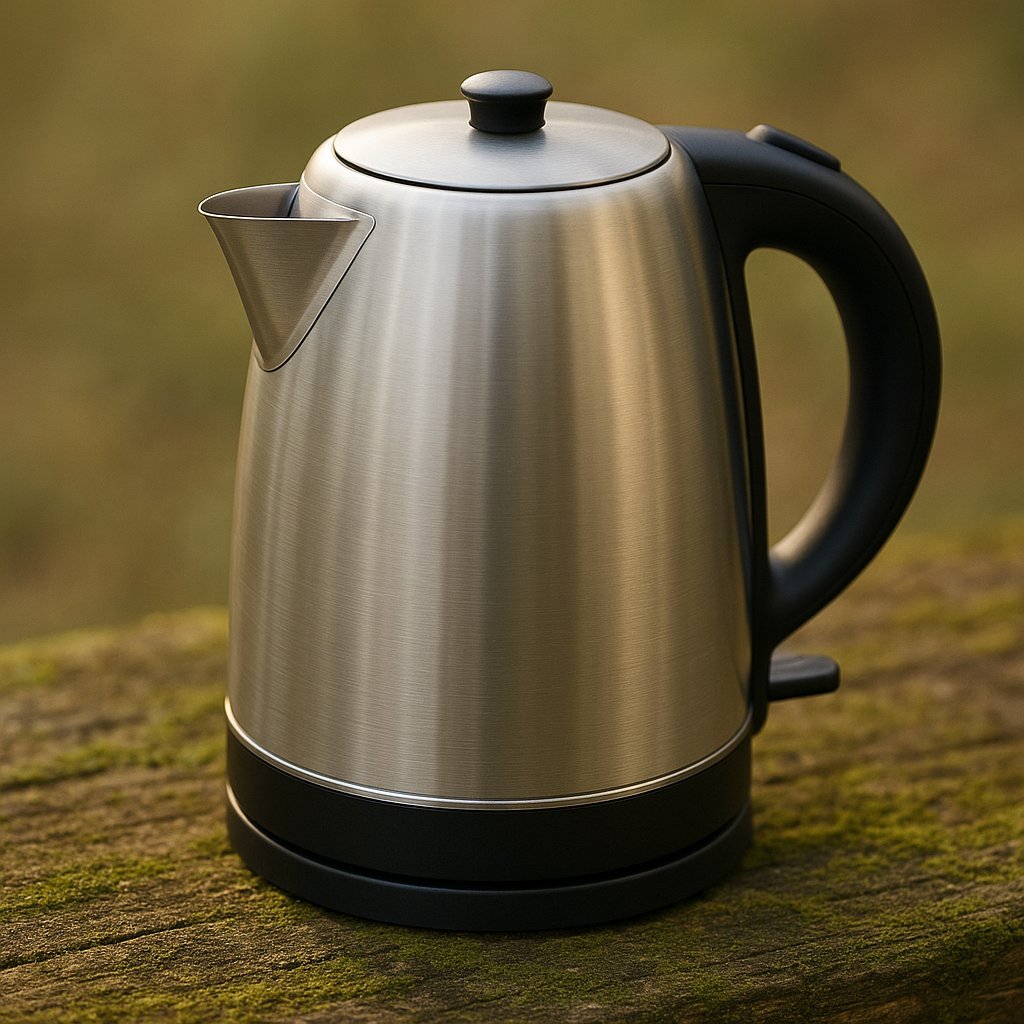
View product
A 1.0 litre stainless steel kettle sized for smaller kitchens, student rooms and one or two mugs.
View productKettle capacity is easiest to understand when you compare it with your actual mugs. A 1.0 litre model is a sensible starting point for lighter use and restricted counters, while 1.5 to 1.7 litres gives more room for shared rounds. A gooseneck model serves a different purpose because the controlled stream matters more than maximum volume.
Coffee makers divide first by brewing method and batch size. Single-mug ground-coffee machines minimise width and avoid a stored carafe, filter makers prepare several cups together, and compact espresso machines create individual short drinks with a more involved preparation and cleaning routine.
Appearance still has a place once the practical shortlist is clear. Glass reveals the water level, stainless steel gives a durable visual finish, coated steel brings colour, and a thermal carafe changes how a brewed batch is carried away from the machine.
These four starting points narrow the collection without pretending that one format works for every counter.
Prioritise narrow width, modest capacity and parts that can be rinsed without taking over the sink or drying area.
Compare 1.5 and 1.7 litre kettles, then check whether the lid and handle can move freely below nearby cupboards.
A filter batch can serve several cups together, with glass for visible levels or a steel carafe for carrying away from the brewer.
Gooseneck pouring or compact espresso adds control, but both ask for more deliberate preparation and cleaning than a simple batch brewer.
A few measurements and routine checks can prevent an appliance from becoming awkward once it reaches the counter.
Divide the stated litres by the approximate volume of your usual mug, then allow for the fact that you may not always fill or pour the vessel to its maximum line.
The listed depth shows the basic footprint, but you may also need rear access for a tank, front room for a carafe and top clearance for water and coffee.
A clear chamber makes the water level and visible mineral deposits easier to see, while stainless and coated bodies offer a different appearance and handling preference.
No product in this catalogue is described as requiring proprietary capsules. The filter and single-cup models use ground coffee, and the espresso maker uses ground coffee baskets.
Measure the resting height and the extra room needed to lift a lid, open a top chamber or remove a water tank without moving the whole appliance.
Use the contact page, call +44117 966 5609 or email [email protected] with the product name and the practical detail you want to check.
Keep your available counter dimensions and typical cup count beside you while comparing the two appliance collections.
Related products
A few catalogue examples that connect the guidance, process, or service topic to the actual storefront.
A 1.5 litre cream-finish kettle for regular household tea rounds and shared morning use.
£49.00
View product
A 1.0 litre stainless steel kettle sized for smaller kitchens, student rooms and one or two mugs.
£39.00
View product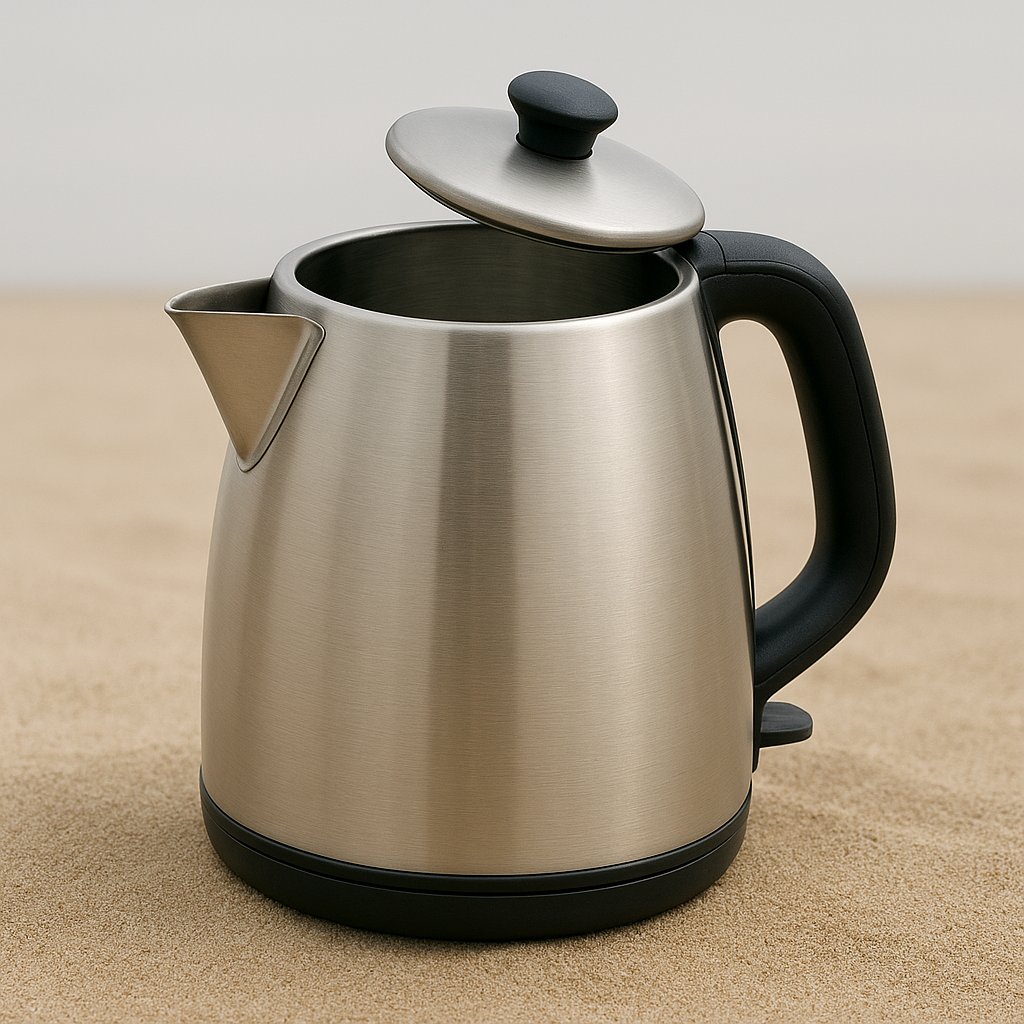
A 1.7 litre stainless steel kettle with a broad opening for larger tea rounds and easier interior access.
£59.00
View productBasket
0 items in cart
Your cart is saved in this browser until you clear it. Need help now? Contact us on +44117 966 5609.